All Categories
Featured
Table of Contents
Oct 2019 Walid Majdalani, Head of Investcorp Private Equity MENA company, details the appealing chances of buying GCC Infrastructure, driven by the region's development and government initiatives.
Diversification is attain a balanced economy,, Diversification visions and strategies exist. The total Global EDI is composed of tracking.
Essential Economic Shifts for the FutureFor non-diversified countries, when cost of the commodity falls, there is a substantial decline in government income, public costs, bank account balance and international reserves: more volatility. The (including significant product exporters, not restricted to just oil) over the, throughout 25 signs (including 3 digital signs). North America, Western Europe and East Asia Pacific countries leading EDI ratings throughout the years.
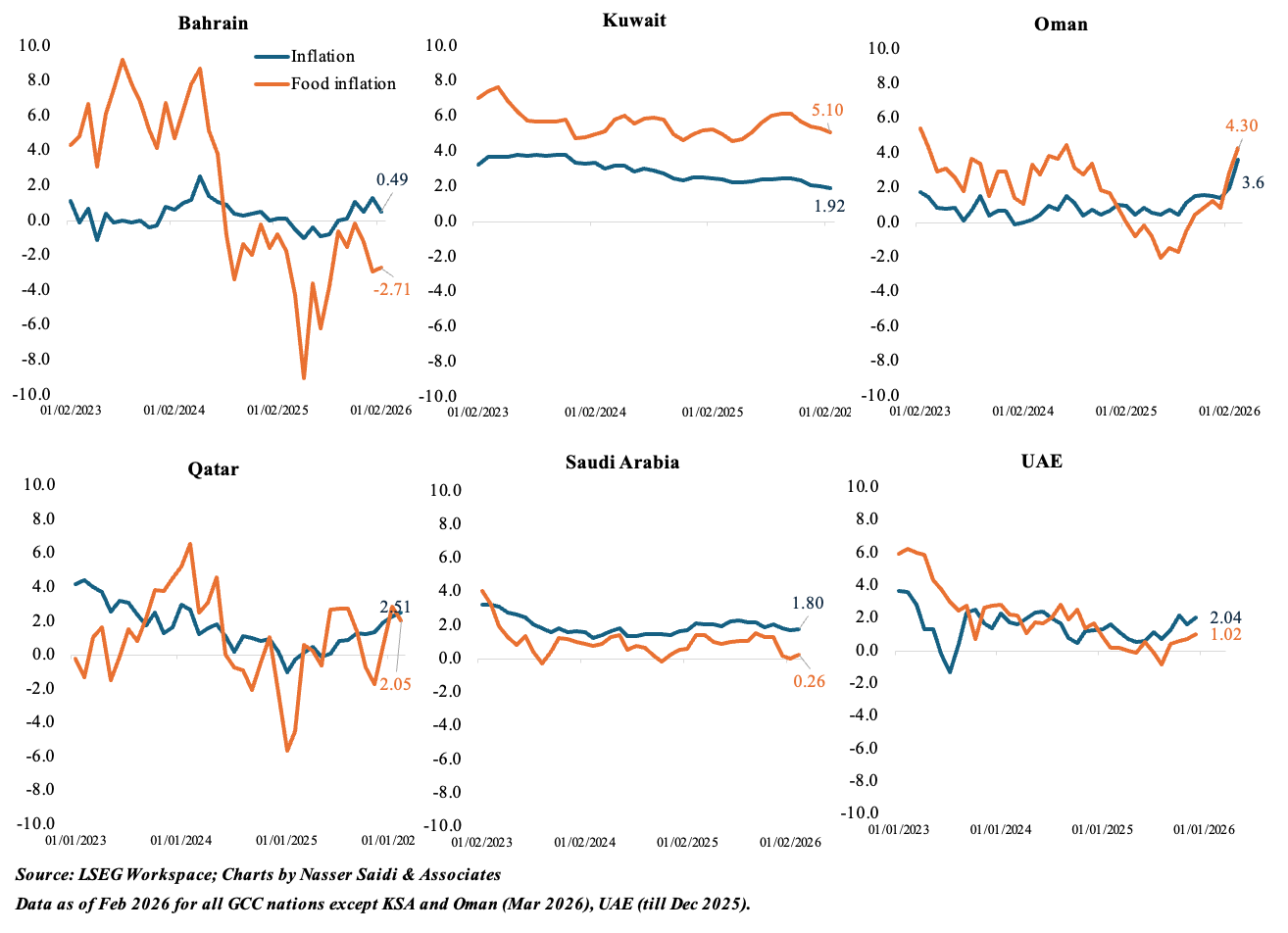
Even though structural reforms and diversification efforts undertaken by the GCC affected MENA's regional ratings favorably, it still lags five other local groups., with the leading 10 countries having less than a 10-point difference in scores (indicating the strength of diversification)., along with four upper-middle income (China, Mexico, Turkey and Thailand) and one lower middle-income nation (India, ranked 20th, driven by its services export boom).
Among the e. countries ranked 51 to 70, the efficiency of Moldova, Indonesia, Armenia and Honduras stick out (when comparing 2024 vs 2000). years, provided sped up diversification plans of lots of oil-exporting nations. published a constant enhancement due to a mix of decreased dependence on fuel exports, minimized exports concentration and a change in the structure of exports.
Vital Factors Influencing GCC Market Forecasts for 2026
with oil exporters having the least expensive ratings (though specific country-specific performance has actually varied in time). Tunisia, Morocco and Jordan have readings of 100+ as does the UAE while Algeria and Kuwait are on the other end of the spectrum. Throughout all areas, the mean rating is the for both 2000 and 2024, and the greatest in The United States and Canada.
In 2024, the (China was among the top ranked, while Mongolia's score worsened compared to 2000)., but more to do with a "levelling up" at the bottom rather than an improvement amongst the top nations. By comparing the (height of the blue box), least variability is seen in South Asia in 2000 and the most in the MENA area (with variation most likely driven by the dichotomy within the area in between the resource-heavy states (e.g.
Sub-Saharan African nations account for around one-third of the overall, followed by Latin America and the Middle East (the latter two together representing over 40% of the total). Including, there has been an (from 90.3 in 2000-04 to 92.6 and 92.3 in the 5 years pre- and post-pandemic ).
and ranked greater than others; UAE is up more than 45 places in 2024 compared to 2000 while Qatar climbed up 24; both Saudi Arabia and Oman rose 17 ranks during the period. The trapped or even worse off nations are some parts of Latin America and Sub-Saharan Africa where structural transformation has actually stalled.
reveals a significant increase in average EDI scores from 86.8 in 2000-04 to 92.6 in 2020-24, (up more than 10 points in the preliminary duration versus 2020-24). with UAE outshining in the trade sub-index (supported by recent bilateral trade agreements & non-oil exports push). vs its pre-pandemic reading (partially provided the rise in medium & state-of-the-art manufacturing data).
Can GCC Non-Oil Success Exceed Western Benchmarks?
Its diversity metrics have stagnated, revealing the least improvement in between the preliminary (2000-04) and final (2020-24) referral periods., in spite of the headwinds of OPEC+ production cuts. A robust non-hydrocarbon expansion was supported by the GCC's robust domestic demand (supported by a strong project pipeline and execution) and strong services sector performance.
Kuwait and Saudi Arabia clocked in a boost in non-hydrocarbon earnings, "primarily showing non-hydrocarbon tax base expansions and profits collection performance improvements", according to the IMF. In the current geopolitical environment defined by magnifying, it is in the very best interests of product reliant countries to diversify its export base, exports and trade partners.
Sub-Saharan African countries represent around one-third of the total, followed by Latin America and the Middle East (the latter two together accounting for over 40% of the overall). Consisting of, there has been an (from 90.3 in 2000-04 to 92.6 and 92.3 in the 5 years pre- and post-pandemic ).
and ranked greater than others; UAE is up more than 45 locations in 2024 compared to 2000 while Qatar climbed up 24; both Saudi Arabia and Oman increased 17 ranks during the period. The trapped or worse off nations are some parts of Latin America and Sub-Saharan Africa where structural transformation has actually stalled.
Future Middle East Market Trends for 2026 Global Markets
shows a substantial increase in average EDI ratings from 86.8 in 2000-04 to 92.6 in 2020-24, (up more than 10 points in the initial duration versus 2020-24). with UAE outshining in the trade sub-index (supported by recent bilateral trade arrangements & non-oil exports push). vs its pre-pandemic reading (partially offered the rise in medium & high-tech manufacturing data).
Its diversification metrics have actually stagnated, showing the least improvement in between the initial (2000-04) and final (2020-24) recommendation periods., in spite of the headwinds of OPEC+ production cuts. A robust non-hydrocarbon growth was supported by the GCC's robust domestic demand (supported by a strong project pipeline and application) and strong services sector performance.
Driving Industrial Growth via Global DiversificationKuwait and Saudi Arabia clocked in a boost in non-hydrocarbon profits, "primarily showing non-hydrocarbon tax base growths and earnings collection efficiency improvements", according to the IMF. In the existing geopolitical environment identified by intensifying, it is in the best interests of product reliant nations to diversify its export base, exports and trade partners.

Latest Posts
Analysing the 2026 GCC Economic Outlook
How Economic Shifts Can Shape GCC Markets
Assessing GCC Investment Resilience for 2026