All Categories
Featured
Table of Contents

Browsing 2026 Regulatory Modifications in Middle East Business Hubs
The economic environment in 2026 for Qatar and Oman reflects a duration of high-speed adjustment. Both nations have moved beyond basic oil reliance, creating complicated regulative systems that require exact functional management. For organizations running in these Gulf markets, remaining compliant no longer means just following fundamental guidelines. It requires a forward-looking strategy that anticipates shifts in labor laws, tax requirements, and foreign investment limits. By mid-2026, the distinction in between successful business and having a hard time ones often boils down to how efficiently they handle these administrative updates.
In Qatar, the focus has actually moved toward refining the labor reforms started previously in the years. The 2026 updates have presented more particular requirements for employee real estate requirements and insurance protection. These modifications belong to a more comprehensive effort to keep the nation's status as a top-tier location for global skill. Companies that overlook these subtle modifications face stiff charges, however those that incorporate them into their core operations discover a more steady labor force. Keeping a concentrate on GCC Capability has actually become a standard method for guaranteeing that these labor requirements are met without interrupting daily output.
Oman has taken a similar path with its Vision 2040 milestones, particularly regarding the "Omanisation" targets for 2026. The federal government has actually released new lists of professions booked exclusively for Omani nationals, especially in technical and middle-management functions. For foreign companies in the local capital, this requires a modification in recruitment and training. Rather of looking abroad for every expert role, companies are establishing internal training programs to help local staff satisfy the necessary certifications. This shift is not just about compliance; it has to do with constructing a sustainable existence in a market that prioritizes local development.
Handling Business Operations Under New Ownership Rules
Ownership policies in both Qatar and Oman have actually seen significant loosening by 2026. Qatar now permits 100% foreign ownership in practically all sectors, consisting of banking and insurance coverage, offered specific capital requirements are fulfilled. This has actually led to an influx of international competitors, making the market more crowded. Businesses currently on the ground must refine their operational quality to remain ahead. The focus is no longer simply on entering the marketplace but on how to run a business efficiently enough to complete with new, agile entrants.
Oman has actually presented the Foreign Capital Financial Investment Law (FCIL) updates for 2026, which streamline the licensing procedure for new ventures. This ease of entry comes with stricter reporting requirements. Every company needs to now provide in-depth quarterly reports on their environmental and social impact. This is where numerous companies struggle. Moving from a conventional reporting design to a contemporary, data-driven approach is an obstacle. Organizations that prioritize GCC Capability find that they can automate much of this reporting, lowering the threat of errors and federal government fines.
The tax environment is another location where 2026 has brought significant modifications. Following the local pattern towards corporate tax, both countries have clarified their stances on the OECD's worldwide minimum tax. While Oman and Qatar maintain competitive rates, the documentation needed to prove tax compliance has actually ended up being a lot more demanding. Companies need to track every deal with a level of information that was not needed five years back. This level of analysis applies to both large corporations and the consulting services sector, where cross-border deals prevail.
Improving Operational Quality in the Regional Market
Operational excellence in 2026 is defined by how well a business handles the crossway of technology and policy. In Muscat and Doha, federal government websites have approached total digitization. Paper-based applications are basically outdated. To prosper, a business should ensure its internal systems work with these government user interfaces. This "digital-first" compliance indicates that HR, accounting, and logistics data should stream smoothly into the essential regulative buckets without manual intervention.
Supply chain openness has likewise become a compulsory requirement. In Oman, new laws in 2026 require businesses to veterinarian their secondary and tertiary suppliers for ethical labor practices. This mirrors international patterns however consists of specific regional twists connected to local trade contracts. Companies are now responsible for the actions of their partners. If a provider stops working to satisfy Omani standards, the main organization can be held responsible. This has actually forced a total overhaul of procurement methods, with a preference for regional, pre-verified suppliers.
Qatar's concentrate on the 2026 National Vision highlights the "Understanding Economy." This translates to significant incentives for business included in research and development. Nevertheless, to access these rewards, services need to go through a strenuous audit of their copyright and training invest. This is not an easy "examine package" exercise. It includes a deep evaluation of how the business contributes to the local economy. Services that can prove their worth through clear, verifiable information are the ones getting the most government support.
Future-Focused Methods for the Local Province
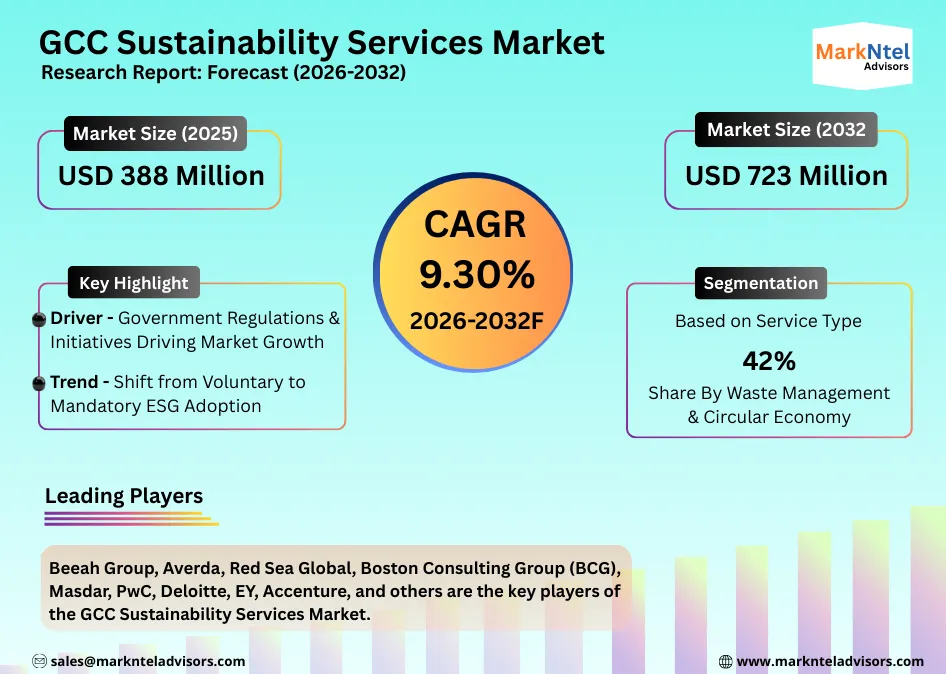
Looking towards completion of 2026, the integration of ESG (Environmental, Social, and Governance) concepts into regional law is the most significant pattern. This is no longer a voluntary option for PR functions. In Qatar, certain sectors like building and manufacturing now have obligatory carbon reporting. These reports are connected to the renewal of industrial licenses. This modification forces services to look at their energy use and waste management as a core monetary issue instead of a secondary functional problem.
In Oman, the focus is on "In-Country Worth" (ICV) By 2026, the ICV program has broadened from the oil and gas sector to consist of tourist and logistics. This implies that a portion of a business's spend should stay within the Omani economy to qualify for government contracts. For numerous companies, this has indicated changing their entire business design. They are moving from importing finished products to carrying out assembly or standard production within the nation. While this needs preliminary financial investment, it protects business from future regulative shifts that might further limit imports.
Technology assists bridge the gap in between these brand-new laws and daily work. In the regional area, many firms are using specialized software application to track their ICV rating in real-time. This allows them to adjust their spending practices before an audit happens. It likewise provides a clear image of where the company stands concerning local working with targets. Being proactive in this method prevents the panic that frequently happens when license renewal due dates approach.
Adapting to Digital ID and Personal Privacy Laws
Information privacy has ended up being a major talking point in the 2026 business world. Both Qatar and Oman have actually upgraded their individual information protection laws to line up more closely with worldwide requirements like GDPR. This impacts every company that deals with client information, from small retailers to big financial firms. The penalties for data breaches are now substantial, and the definition of a breach has broadened to include the unauthorized sharing of data with 3rd parties outside the nation.
The intro of merged digital IDs in both countries has actually simplified some aspects of company. Verification of identities for agreements or banking is faster than it was in previous years. Nevertheless, it also suggests that the federal government has a clearer view of company activities. There is more transparency, which lowers the possibility of "shadow" organization operations. Business that have traditionally run with loose administrative controls are discovering it tough to stay under the radar in this new, transparent environment.
Success in 2026 needs a shift in mindset. Compliance should not be deemed a concern or a series of hurdles to jump over. Instead, it is the base layer of an effective organization method. Business that develop their operations around these guidelines, instead of looking for methods around them, wind up with more durable organization designs. They are better gotten ready for the next round of changes and are more appealing to local partners and global investors alike.
By concentrating on internal training, digital integration, and transparent reporting, companies in Qatar and Oman can turn regulatory shifts into a benefit. The goal is to be so well-aligned with nationwide visions that the organization ends up being a natural partner in the nation's development. As 2026 continues to bring new updates, those who have actually spent the last few years preparing their facilities will be the ones who lead their particular markets into the next decade.
The transition to a more regulated, transparent, and digital economy is well underway. For a service in the local market, the path forward includes constant tracking of government decrees and a desire to change old routines. The winners in the 2026 economy are those who treat functional quality as an everyday practice, guaranteeing that every part of the organization is ready for whatever the next regulative shift might be. This preparedness is what defines a fully grown company in the contemporary Middle East.

Latest Posts
Analysing the 2026 GCC Economic Outlook
How Economic Shifts Can Shape GCC Markets
Assessing GCC Investment Resilience for 2026